
Clarity Without Code: Measuring What Matters in Your Supply Chain

Today we focus on key metrics and KPIs for no-code supply chain monitoring, turning scattered operational data into clear, actionable signals your teams can trust. You will discover practical definitions, straightforward formulas, and proven ways to automate collection, visualize trends, and trigger alerts without writing scripts. We share stories, pitfalls, and quick wins that help you prioritize customer outcomes, cost control, and resilience, building a performance rhythm that actually changes decisions instead of producing dashboards that nobody reads.

What to Measure and Why It Matters

Before wiring up dashboards, align measurement with outcomes customers actually feel: orders arriving complete and on time, items available when promised, and service recovering quickly when something slips. Select a balanced set of indicators such as OTIF, perfect order rate, inventory turnover, lead time, forecast accuracy, and cost per order. Keep calculations simple, definitions explicit, and data sources transparent, so teams debate actions rather than numbers. Invite feedback from operations, sales, and finance to prevent blind spots and build shared ownership.

Building Dashboards Without Writing Code

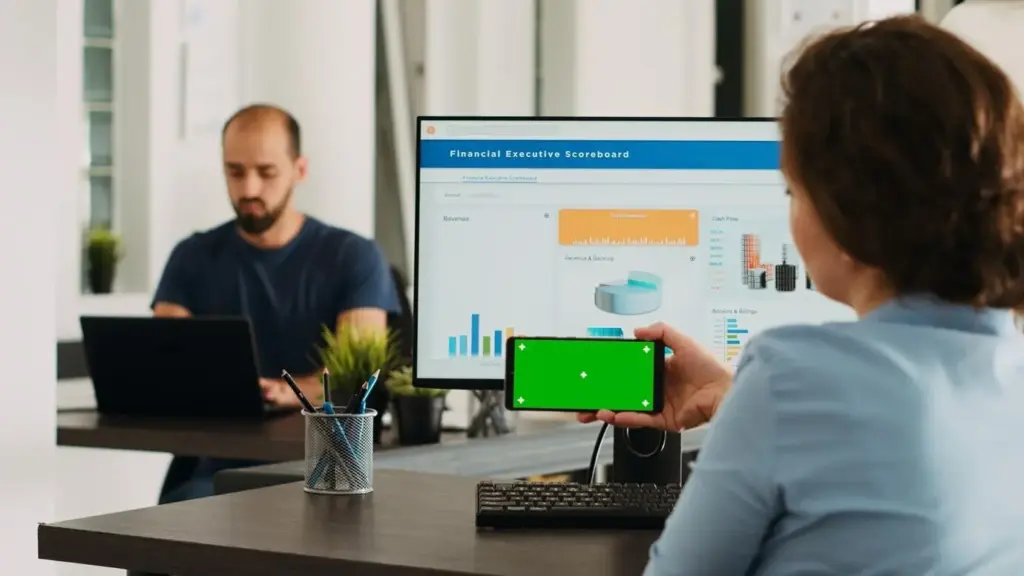
You can assemble dependable monitoring with no-code tools by stitching together sources, automations, and visualizations through connectors, webhooks, and standard APIs. Pull operational tables from spreadsheets, WMS, TMS, and storefronts, then normalize keys and timestamps. Use scheduled syncs to refresh often enough for decisions, and push exceptions to chat where work happens. Keep layouts simple: a small set of headline KPIs, trend sparklines, and drill-down tables. Version your logic, document formulas, and guard access with roles.

Week One: Establish the Baseline

Inventory counts, order timestamps, and carrier scans were consolidated into a single, tidy table with consistent keys. The team documented current definitions, then calculated OTIF, cycle time distributions, and forecast error using simple, repeatable queries. They annotated anomalies like holiday spikes and system outages, preventing misguided conclusions. A visual timeline showed queues forming every Monday, pointing to receiving constraints. By week’s end, everyone agreed on the numbers and a shortlist of fixes with clear owners and dates.

Week Two: Automate the Plumbing

Scheduled connectors replaced manual exports, and webhooks captured shipment milestones in near real time. A reference table standardized product and location codes, erasing months of lookup confusion. Alerts highlighted late supplier confirmations and orders missing promised ship dates. The dashboard gained concise cards for headline indicators, trend charts with annotations, and drill-downs by lane, customer, and SKU. With plumbing handled, the team could redirect energy from gathering data to testing changes, validating impacts, and deciding the next iteration.

Week Three: Act on Exceptions

They launched a daily standup around the exception list. Buyers expedited only the orders that risked key customer SLAs, guided by a clear prioritization rule. Warehouse leads addressed the specific waves with pick accuracy dips. Carrier managers renegotiated lanes with chronic dwell time. Each action generated a note linked to the affected records. Within days, rush shipments fell, and service stabilized. Most importantly, the habit stuck, because people saw their actions reflected in improving numbers they understood and trusted.
Designing KPIs That Drive Behavior

Metrics shape decisions, so design them to reward the right actions and discourage local optimization. Keep each KPI controllable by its owner, time-bound, and unambiguous. Pair outcome measures like perfect order rate with leading indicators like supplier confirmation timeliness. Avoid perverse incentives by balancing cost and service. Limit the set to what teams can actually act on each week. Publish examples that illustrate edge cases and show how to score tricky scenarios, removing interpretive ambiguity.

Visibility Across Suppliers, Warehouses, and Last Mile

Performance differs by node, lane, and product family, so slice metrics where the work actually varies. Supplier reliability affects inbound stability; warehouse accuracy shapes fulfillment quality; and last-mile execution influences the customer’s final memory. Build role-specific views that share definitions yet highlight relevant actions. Use lane-level heat maps, product risk lists, and customer-level scorecards to pinpoint issues. Close feedback loops by showing each partner their data, inviting corrections, collaboration, and joint improvements that survive beyond a single quarter.

Supplier Reliability You Can Negotiate

Measure supplier OTIF, confirmation lead time, ASN completeness, and defect rate to create transparent scorecards. Share rolling performance, not just quarterly snapshots, so trends are visible and conversations are fair. Recognize improvements with preferred status or flexible order quantities. When patterns slip, escalate quickly with evidence that pinpoints recurring causes. Clarity encourages collaboration over blame, and structured follow-ups transform tense calls into practical adjustments, such as safety stock tweaks, packaging changes, or staggered releases that smooth peaks.

Warehouse Accuracy Without Paper

Track pick accuracy, dock-to-stock time, cycle count variance, and rework rates. Use simple mobile checklists and barcode scans to capture reality at the moment of work, avoiding end-of-day reconstructions. Visualize productivity by wave, zone, and shift to support targeted coaching rather than blanket pressure. Tie small experiments, like new slotting rules or revised label placements, to measured outcomes. When teams see their ideas reflected in fewer errors and smoother flows, momentum builds and adoption spreads naturally.

Make It a Habit: Cadence, Culture, and Improvement

Dashboards matter only if they change routines. Establish a daily standup for exceptions, a weekly operations review to validate trends, and a monthly cross-functional forum to realign priorities. Keep meetings short, visual, and decision-oriented. Capture follow-ups directly within the tools that host the data. Reward learning over perfection by publishing experiments and outcomes. Invite comments from readers to share challenges and wins, turning solitary efforts into a practical community that helps everyone modernize monitoring without heavy engineering or endless debates.

Rituals That Keep Numbers Alive

Start each day with a five-minute scan of exceptions: late confirmations, falling pick accuracy, or slipping OTIF on critical customers. Assign owners on the spot and time-box actions. End the week with a concise trend review and a single improvement commitment. Keep a running log tied to the metrics so history informs decisions. This cadence reduces surprise firefights and steadily strengthens processes, creating confidence that the numbers guide action rather than decorate slides for retrospective meetings.

Problem-Solving That Sticks

Use lightweight A3s and five-whys to trace root causes beyond superficial fixes. Record hypotheses, countermeasures, and measured impacts within the same no-code workspace that hosts your dashboards. Rotate facilitators so problem-solving skills spread across roles. Celebrate experiments that disproved assumptions, not just the wins. Over time, the organization accumulates a library of tested playbooks linked to real metrics, enabling faster responses to familiar patterns and preventing the quiet return of old issues dressed in new labels.

Community and Sharing

Share anonymized benchmarks, tool setups, and metric definitions with peers and partners to accelerate learning and avoid reinventing fragile solutions. Invite readers to comment with their most stubborn bottlenecks or clever automations. Publish periodic roundups of reader submissions, highlighting practical dashboards and alert rules that genuinely changed behavior. Encourage subscription to receive fresh playbooks and case studies. This mutual exchange keeps practices current, expands perspectives, and makes no-code monitoring a living craft rather than a static one-time project.
Volanopuperikuzuxuka
Privacy Overview

This website uses cookies so that we can provide you with the best user experience possible. Cookie information is stored in your browser and performs functions such as recognising you when you return to our website and helping our team to understand which sections of the website you find most interesting and useful.